
Democratic nominee
Abdul El-Sayed
Physician · Former Wayne County health director
Proposes extensive federal AI rules, democratic control of advanced systems, and protections for workers and communities affected by automation and infrastructure.
The nominees have moved toward a shared temporary pause on new data centers. Their broader approaches to AI ownership, federal rules, and private-sector development remain far apart.
Both candidates now support a Michigan construction pause and protections against higher household power bills. El-Sayed proposes national guardrails and public control of major AI systems. Rogers favors a state-level pause while continuing to frame AI investment and job creation as strategic priorities.
Proposes extensive federal AI rules, democratic control of advanced systems, and protections for workers and communities affected by automation and infrastructure.
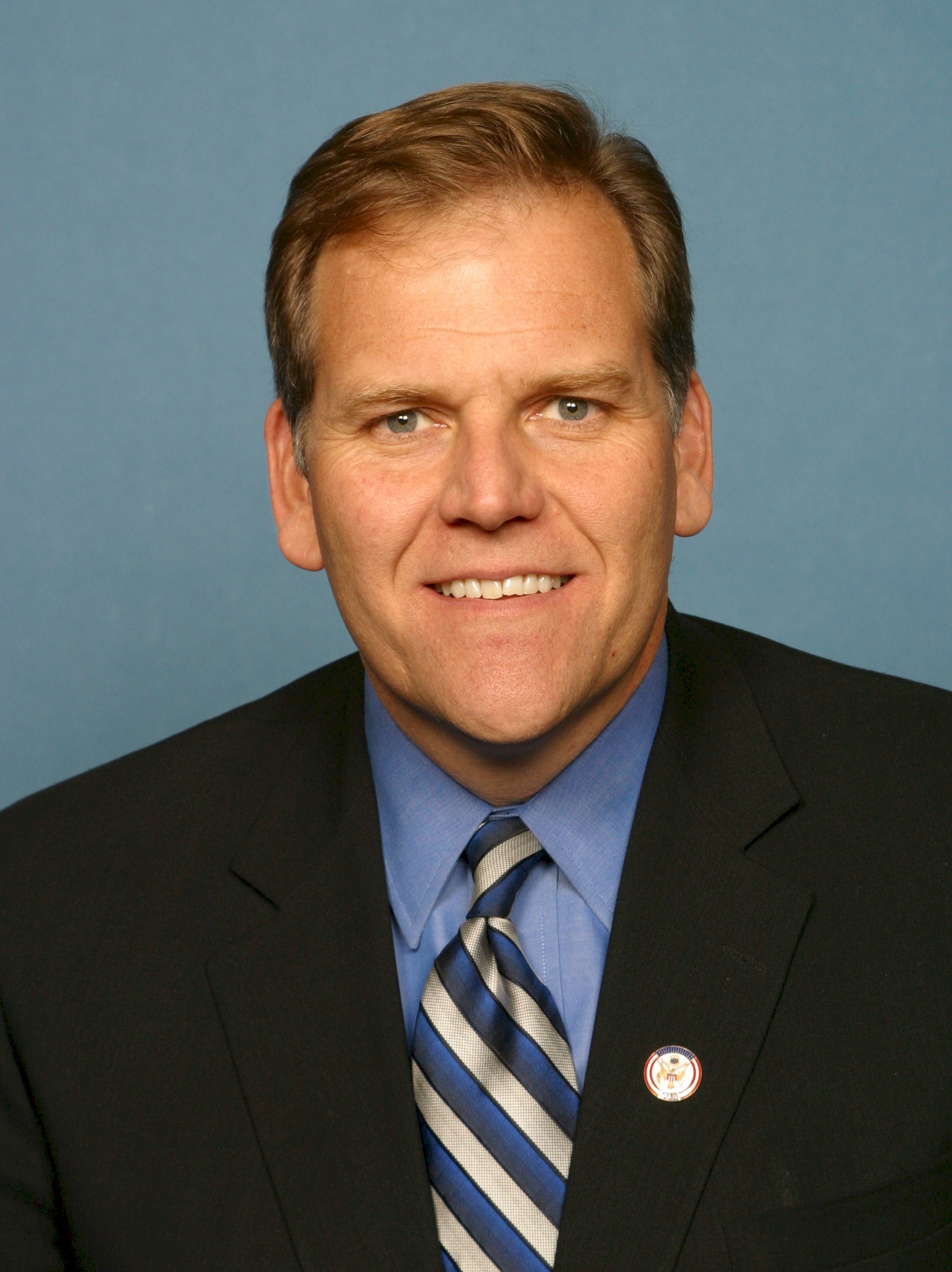
Supports a temporary Michigan pause and ratepayer protections while emphasizing AI-related investment, competitiveness, jobs, safety, and data privacy.
Construction, permitting, local control, and pauses.
Supports state and local moratoriums until federal guardrails, community oversight, labor guarantees, and environmental conditions are established.
“At this point, no more data centers.”Open campaign source ↗
Terms of Engagement condition construction on local jobs, utility-rate protections, and environmental safeguards.
Open campaign source ↗Supports a one-year Michigan moratorium while opposing a federal ban. Calls for a transparent approval process and local community control.
“I think we need to take a pause.”Open reporting ↗
The campaign confirmed support for a one-year statewide moratorium and said Michigan needs stronger guardrails.
Open reporting ↗Testing, release conditions, liability, and oversight.
Proposes independent safety testing, mandatory interpretability and red-teaming, incident reporting, compute controls, and prohibited uses.
The 22-part platform sets detailed governance requirements for advanced AI systems.
Open campaign source ↗Calls for a responsible framework covering safety and data privacy, but the campaign has not published comparable detail on testing, liability, or release requirements.
Rogers paired support for AI jobs and investment with a responsible safety and privacy framework.
Open reporting ↗Utility costs, power demand, water, and pollution.
Would condition development on preventing utility-rate increases and meeting stringent energy and environmental requirements.
The campaign calls for energy rules that prevent utilities from shifting costs to Michigan residents.
Open campaign source ↗Says data centers should cover their full power usage so residential customers do not face higher rates, with added water protections.
“Data centers pay for all their own power usage.”Open reporting ↗
Automation, displacement, training, and job creation.
Proposes an automation levy, wage insurance, expanded unemployment benefits, education investment, and an annual AI dividend.
Worker-transition measures are explicit components of AI Under Democracy.
Open campaign source ↗Emphasizes making Michigan competitive for AI-supported jobs and investment. No detailed worker-displacement program was located in reviewed campaign material.
The campaign presents AI infrastructure as a source of state investment and employment.
Open reporting ↗Ownership, competition, and public control.
Supports public ownership and elected oversight of major AI systems, divestiture from legacy technology firms, and a sovereign wealth fund.
“That power can’t sit solely within the control of a few billionaires.”Open campaign source ↗
The reviewed campaign record does not establish a specific position on AI concentration, antitrust intervention, or public ownership.